
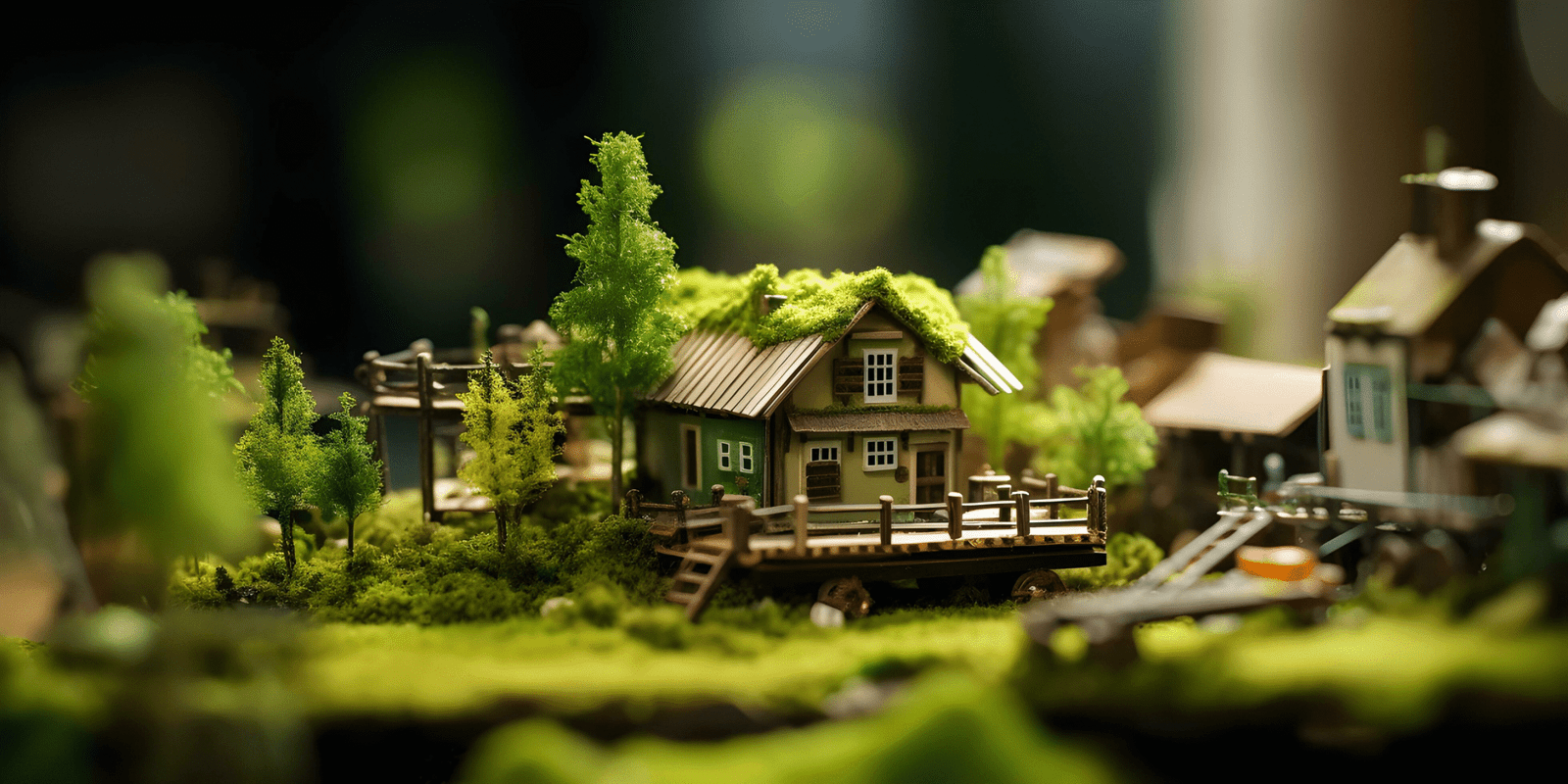
The world is changing — and so is the way we live. Rising electricity costs, growing pollution, and climate change have pushed us to think differently. That’s where Green Energy Homes come in — homes that generate their own power using solar panels, rainwater harvesting, and wind energy, becoming truly self-sustainable.
I’ve always believed that a home isn’t just a place to live — it’s a reflection of how we care for the planet. Green homes bring us closer to nature while reducing our environmental footprint.
1. Solar Power – Turning Sunlight into Energy
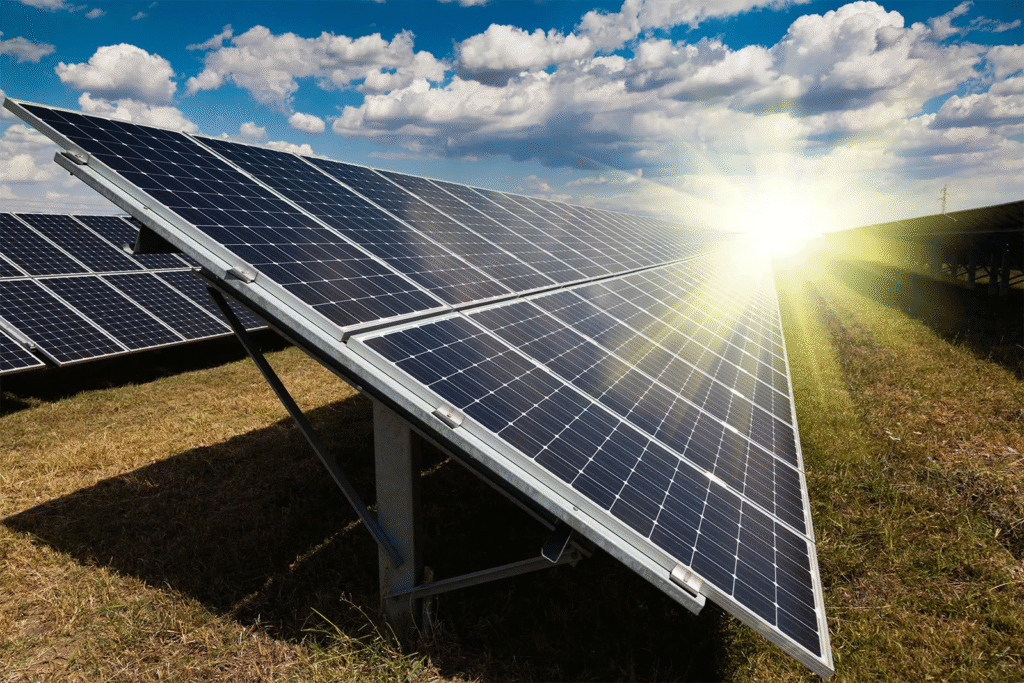
The heart of every Green Energy Home is solar power.
Solar panels absorb sunlight and convert it into electricity, allowing your home to run independently of the main grid.
Benefits:
- Saves up to 60–80% on electricity bills
- Long-term investment (lasts up to 25 years)
- Zero pollution, clean and renewable energy
Real Example:
One of my friends installed rooftop solar panels. Initially, it was a bit expensive, but now he saves thousands every year — and even sells excess energy back to the grid!
2. Rainwater Harvesting – Every Drop Counts
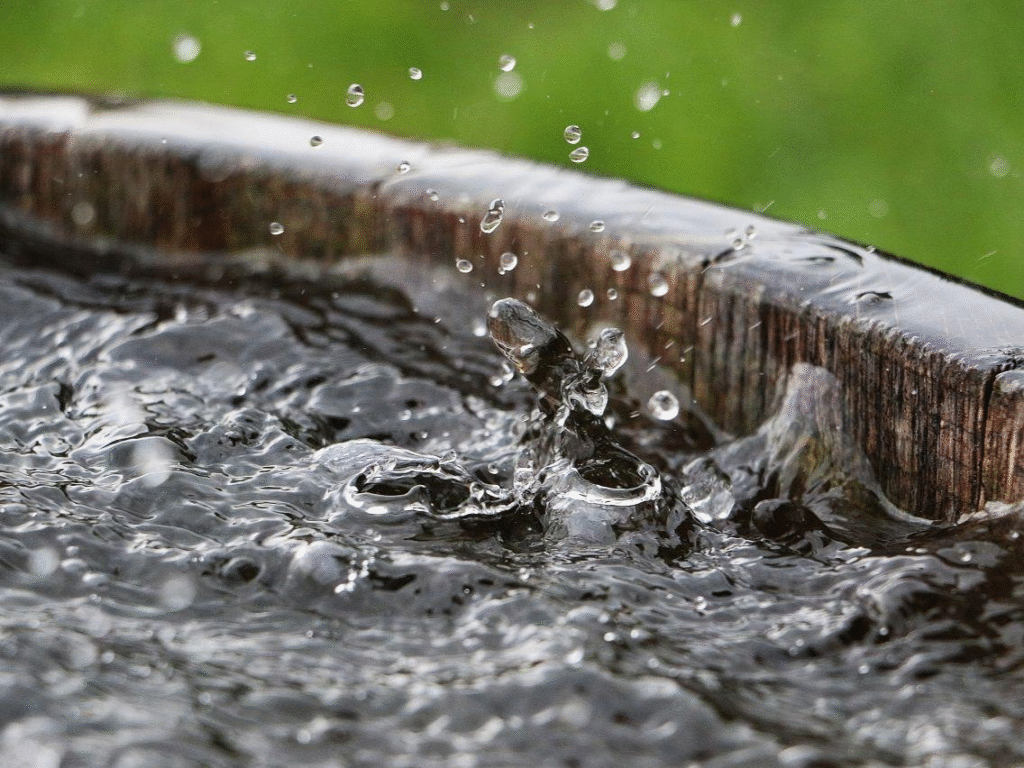
Water is one of our most precious resources, and rainwater harvesting helps us make the most of it.
How it works:
- Rainwater from rooftops is collected through pipes into a storage tank.
- It’s filtered and reused for gardening, cleaning, or even daily household tasks.
Tip: If you live in an independent house, installing a small rainwater collection system is both affordable and impactful.
3. Wind Energy – Power from the Breeze
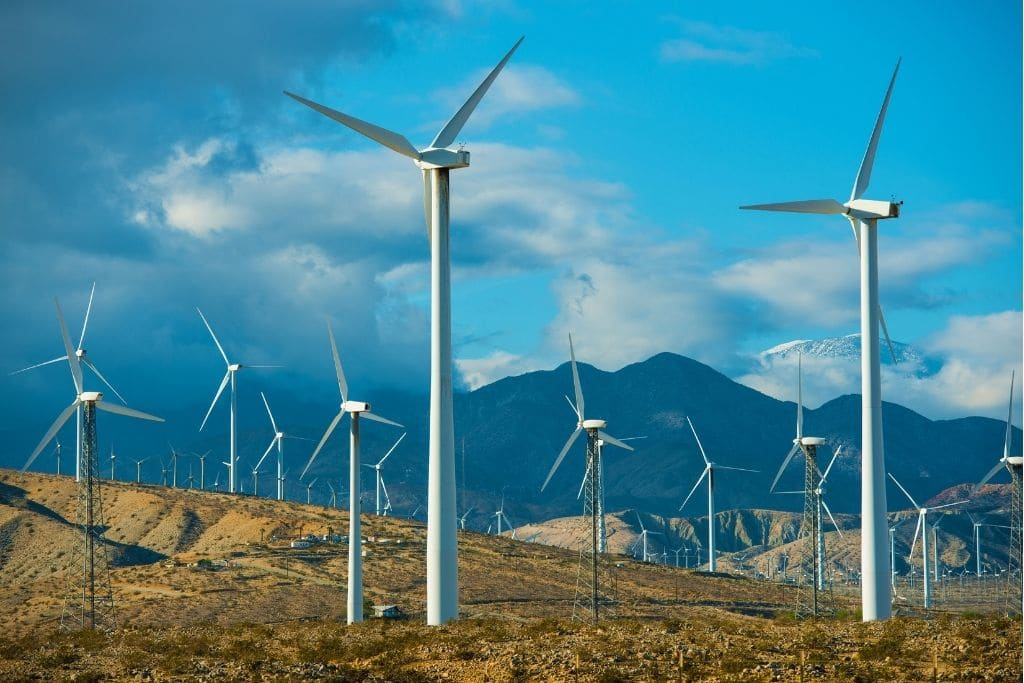
In open or coastal areas, wind turbines are a great source of clean energy.
Now, smaller home-sized wind turbines are available for private use too.
Advantages:
- 100% renewable and eco-friendly
- Perfectly complements solar systems
- Works efficiently even at night or cloudy days
Imagine: A home powered by the wind that blows around it — that’s the future of smart living.
4. Smart Energy Management
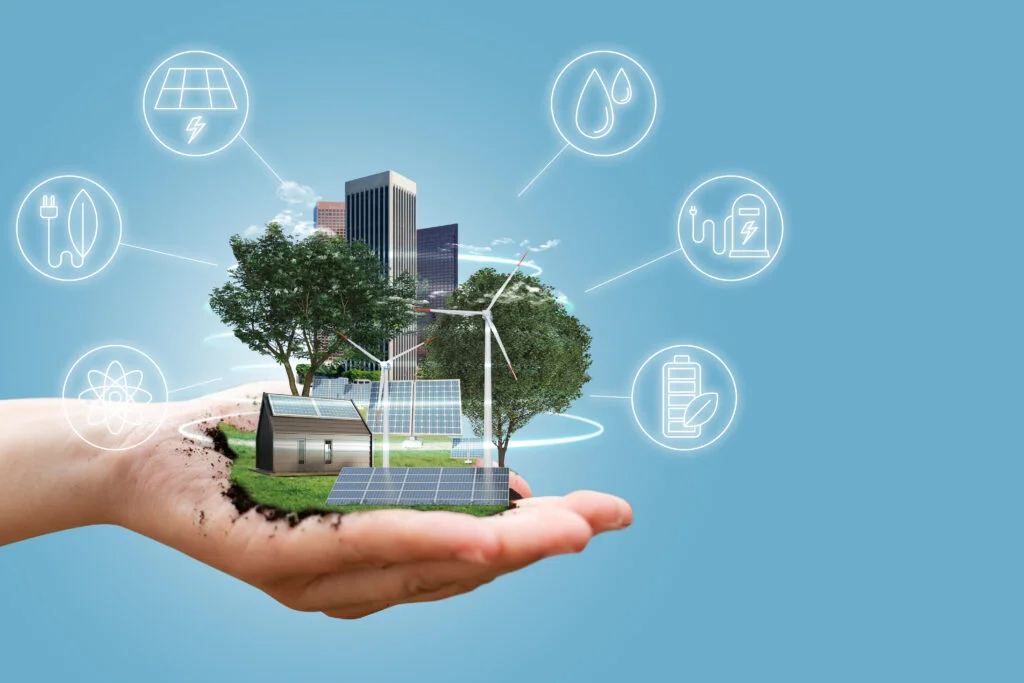
Future homes don’t just generate energy — they think about how to use it wisely.
- Smart sensors automatically turn off lights and fans when no one’s in the room.
- AI-based systems track energy usage.
- Home batteries store extra power for later.
It’s like having a home that cares about energy conservation as much as you do.
5. Green Building Materials
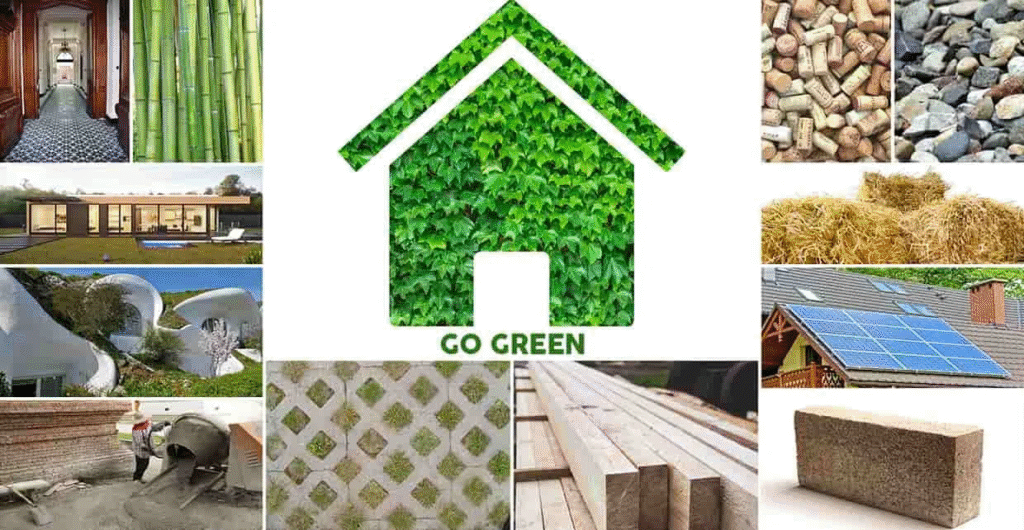
Sustainable living starts with sustainable construction.
Green homes often use eco-friendly materials like bamboo, recycled wood, clay bricks, and hemp concrete.
Why it matters:
- Reduces environmental damage
- Keeps interiors cooler naturally
- Safe, durable, and cost-effective
Example: I once saw a family’s bamboo home — it looked earthy, peaceful, and blended perfectly with nature. Truly inspiring!
6. Smart Lighting & Energy-Saving Appliances
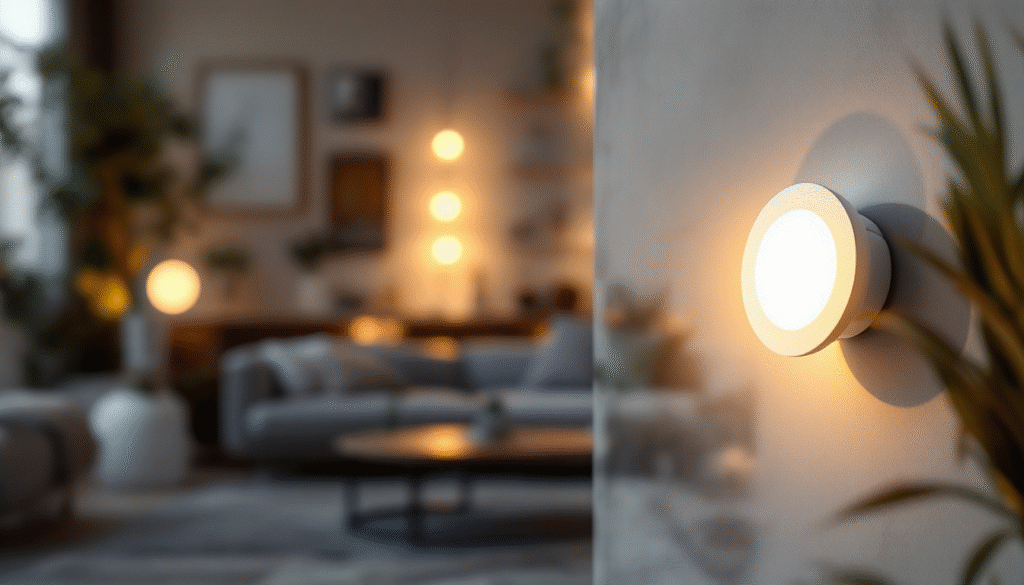
Replacing traditional lights with LED bulbs and using smart plugs is one of the simplest ways to reduce energy waste.
Pro Tips:
- Use motion-sensor lights in hallways and bathrooms.
- Choose “Energy Star” rated appliances to lower electricity use.
Small changes in your home can create big differences for the planet.
7. Green Roofs & Vertical Gardens
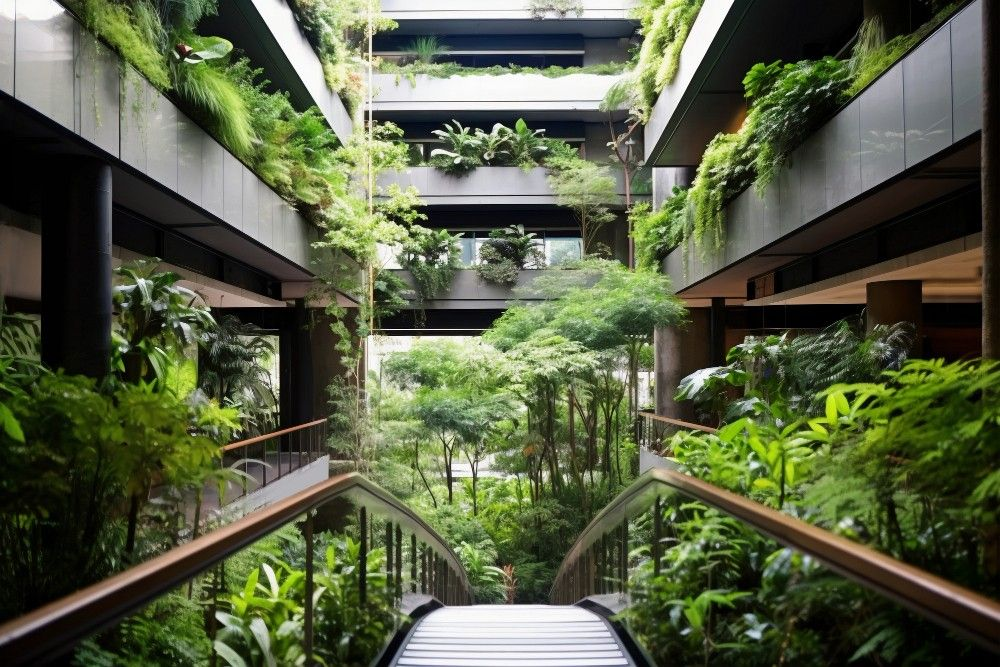
Urban living often disconnects us from nature — but green roofs and vertical gardens are changing that.
They purify the air, reduce heat, and add peace to your home environment.
Imagine: A terrace full of plants, cool breeze, birds chirping — it’s like living in a mini paradise!
8. Grey Water Recycling
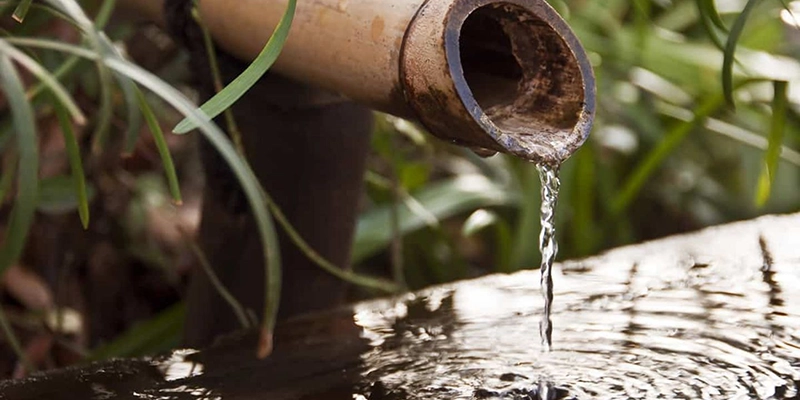
Every day, we waste a lot of water from sinks and showers.
Grey water recycling systems clean and reuse that water for gardens or toilets.
Benefits:
- Saves up to 40% of daily water use
- Protects natural water sources
- Easy to install and maintain
9. Energy Storage Systems
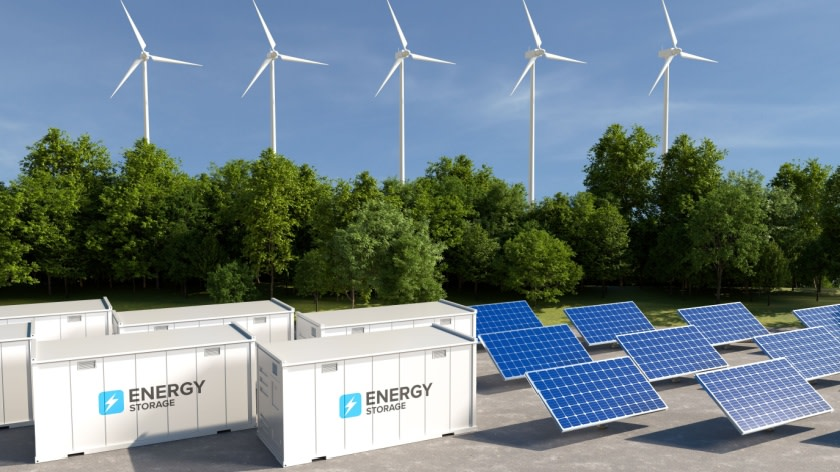
Having renewable energy isn’t enough — storing it is just as important.
That’s why modern homes use home batteries (like Tesla Powerwall) to store excess solar or wind energy.
Why it’s useful:
- Provides power backup during blackouts
- Reduces dependency on the main grid
- Makes your home truly self-reliant
10. AI and Automation – The Brain of a Green Home
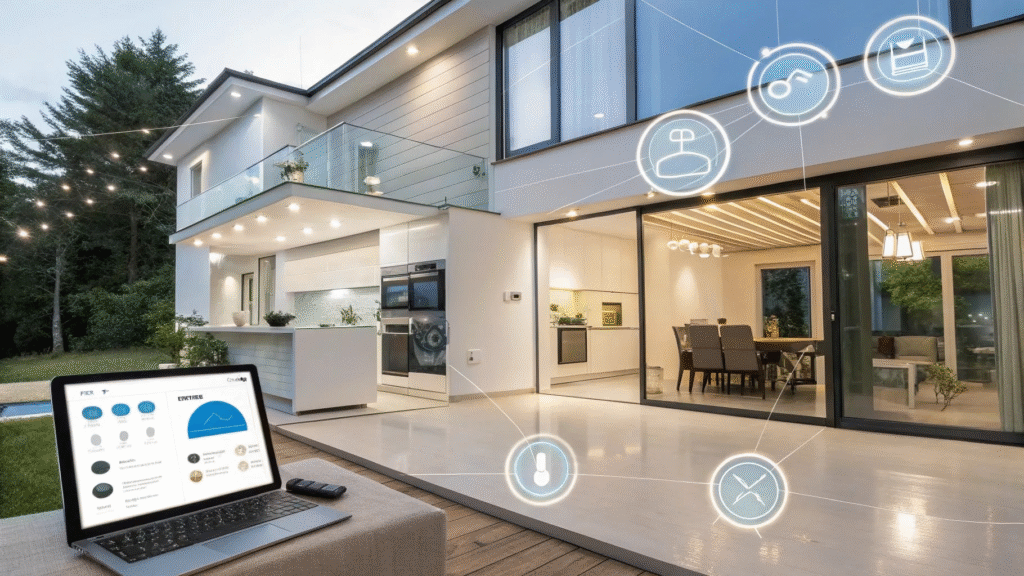
AI-powered homes are the future.
They analyze energy use, detect wastage, and optimize resources automatically.
For example:
- Curtains open automatically in the morning to use sunlight.
- Lights and ACs turn off when rooms are empty.
It’s like your home knows exactly what you need — saving energy and effort together.
Conclusion
Green Energy Homes are more than a trend — they are a responsibility.
Each solar panel, every drop of saved rainwater, every eco-choice brings us closer to a cleaner, greener planet.
Let’s build homes that give back to nature — not take away from it.
Because the future begins with the home we live in today.
This blog is based on personal insights and environmental research. Before making technical changes to your home, consult certified green energy experts.
#GreenEnergyHomes #SustainableFuture #EcoFriendlyLiving #SolarPower #RenewableEnergy #SmartHomes #CleanEnergy #GreenBuilding #SustainableLifestyle #GoGreen #Carrerbook #Anslation
Leave a Reply