
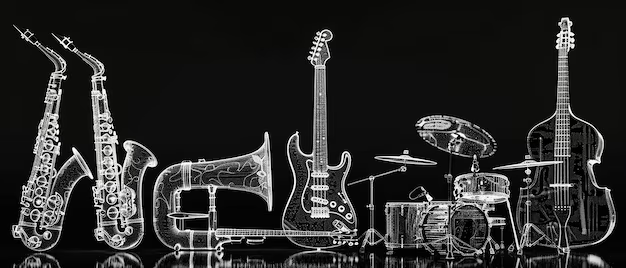
Music has a powerful influence on shaping cultures around the world, bridging divides and promoting unity. Discover how music connects cultures globally in our latest blog!
Music is a universal language that transcends borders, connecting people from all corners of the globe. Its influence on culture is immeasurable, with different genres, rhythms, and melodies shaping societies and their identities. From traditional folk songs passed down through generations to contemporary music that unites people worldwide, the power of music is undeniable. In this blog, we’ll explore how music influences cultures across the world and why it continues to play such a vital role in our everyday lives.
Music as a Cultural Bridge
Music has the unique ability to break down barriers and connect people from diverse backgrounds. Whether it’s a lively drum circle in West Africa or the emotional strains of a classical orchestra in Europe, music serves as a means of communication that transcends language. Across cultures, music is often used in rituals, celebrations, and ceremonies, creating a sense of unity and belonging among those who partake in it.
Influence of Music on Cultural Identity
Every culture has its distinct sound, and music plays a central role in shaping the collective identity of a community. For example, the flamenco of Spain or the reggae beats of Jamaica carry deep cultural significance, reflecting the history, struggles, and joys of the people who created them. Music gives people a voice to express their beliefs, experiences, and emotions, helping them maintain their unique cultural heritage.
The Global Impact of Modern Music

In today’s interconnected world, music has become more globalized than ever before. Thanks to technology and social media platforms, music from different cultures is easily accessible, allowing for a cross-pollination of ideas and sounds. Artists from various countries collaborate, blending genres, and creating new, hybrid forms of music that resonate globally. The popularity of K-pop, for example, has transformed the music industry, showing how music can unite people from different cultures and backgrounds.
Music as a Tool for Social Change
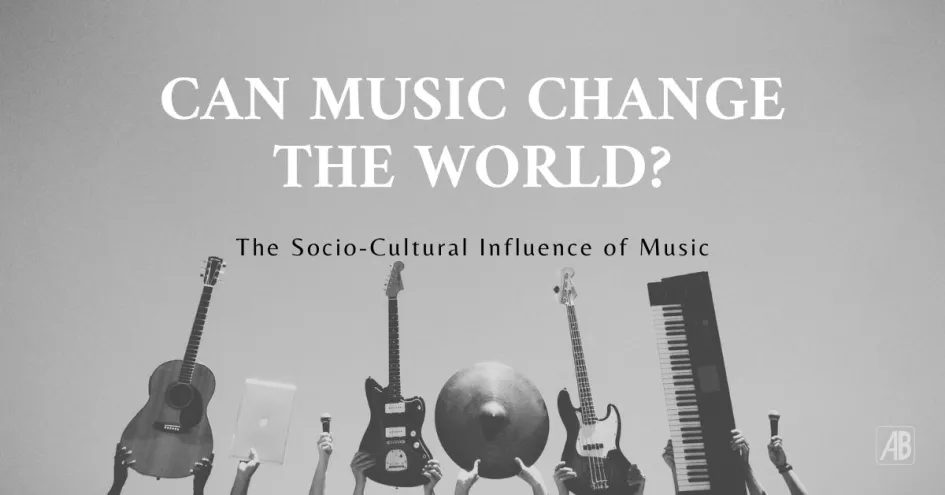
Throughout history, music has been used as a powerful tool for social change. Protest songs, anthems, and political ballads have sparked movements, raised awareness about injustices, and encouraged unity among people fighting for a common cause. From Bob Dylan’s civil rights anthems to the politically charged music of modern-day artists, music continues to be a driving force for societal transformation.
The Guitar’s Influence on Cultural Identity
The guitar is not only a musical instrument but also an emblem of cultural identity for many countries. In the United States, the electric guitar became the symbol of rock ‘n’ roll, a genre that revolutionized music and influenced youth culture worldwide. Rock music, driven by the guitar, became synonymous with rebellion, freedom, and expression during the 1950s and 60s.
In Spain, the flamenco guitar is central to the national identity, with its passionate and complex rhythms telling stories of struggle, love, and tradition. Similarly, in Brazil, the acoustic guitar is essential in bossa nova, blending jazz with Brazilian rhythms to create a genre that became internationally acclaimed.
The Guitar’s Cultural Evolution
Over the centuries, the guitar has evolved from a traditional Spanish instrument into one of the most popular and influential tools in music. Whether it’s the nylon strings of the classical guitar, the steel strings of an acoustic guitar, or the electric guitar that revolutionized modern rock, the evolution of the guitar has paralleled shifts in musical tastes and cultural trends. It has adapted to different musical environments, proving its versatility and timelessness.
The influence of the guitar on culture continues to evolve, with new generations of artists taking the instrument into new realms. The fusion of guitar with electronic music, for example, has created genres like EDM-rock, further pushing the boundaries of what the guitar can represent in modern culture. As we continue to embrace the guitar’s role in music, we are reminded of its enduring power to connect, influence, and unite cultures worldwide.
Disclaimer: This blog is intended for informational and educational purposes only. The views expressed are personal opinions or general insights, not professional or legal advice. Readers should do their own research or consult relevant professionals before taking action based on this content.
#MusicCulture #GlobalMusic #CulturalInfluence #WorldMusic #MusicPower #CulturalConnection #InternationalSounds #MusicUnites #MusicAndIdentity #CulturalDiversity #GlobalInfluences #MusicHistory #MusicalTraditions #ImpactOfMusic #MusicAcrossCultures#carrerbook#anslation
Leave a Reply